
YuSeen / AI shopping visibility research and optimization
How do your products appear when shoppers ask AI?
AI is becoming another way for shoppers to discover products, compare brands, and make purchasing decisions.
YuSeen helps Chinese cross-border e-commerce businesses assess product visibility, verify product information, and understand competitive performance in international AI shopping channels.
Testing may include ChatGPT, Google AI Mode, Microsoft Copilot, Perplexity, and Amazon's AI shopping assistant (Alexa for Shopping in the US since May 2026, which absorbed Rufus). The platforms and scope are agreed according to your target market and platform availability.
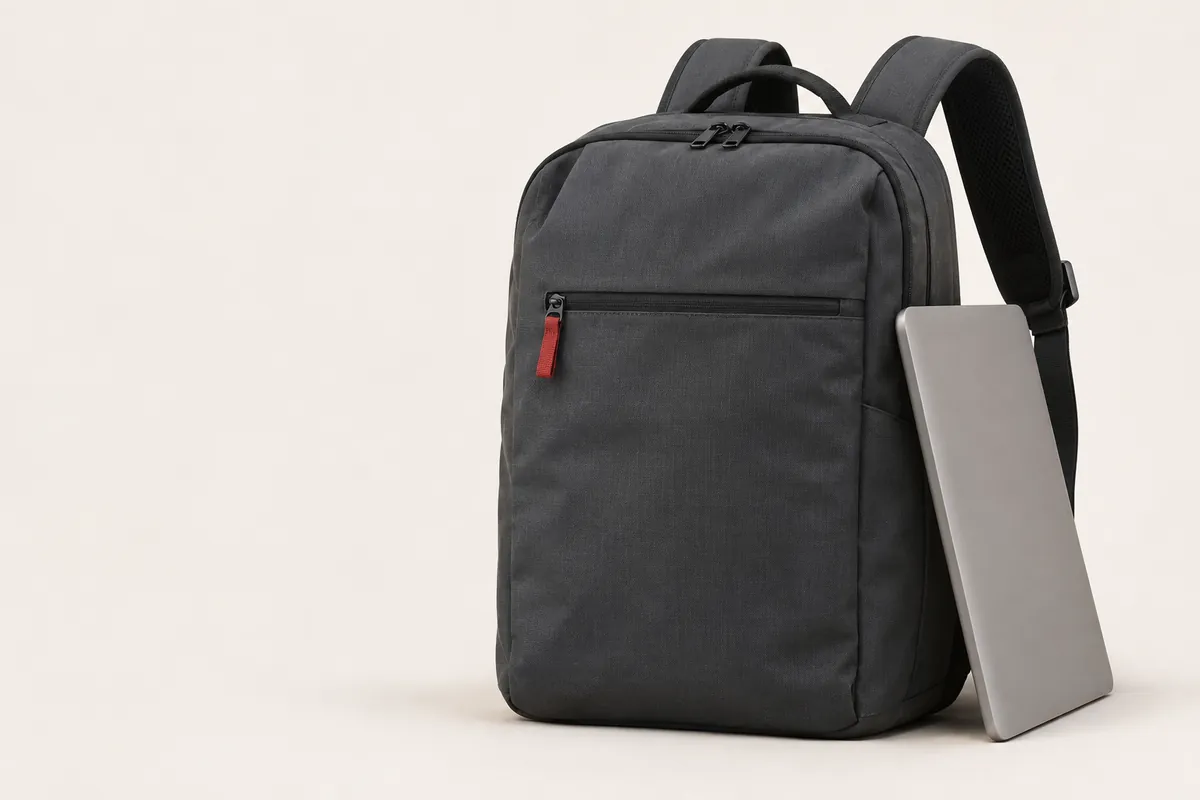
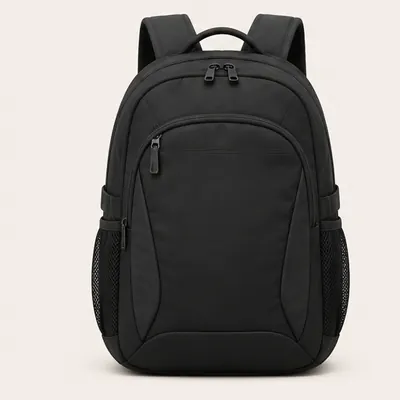
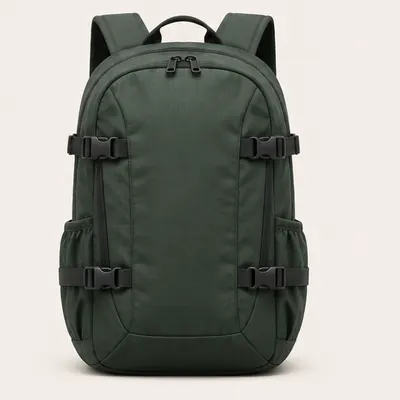
Will this backpack fit under the seat as a personal item?
- Capacity20 LChecked
- Laptop sleeve14-inchChecked
- External sizeNot statedSize missing
The path to a purchase is changing
01 / How shopping decisions are changingFrom keyword searches to recommendations based on specific needs
Scroll to compare two shopping journeys.
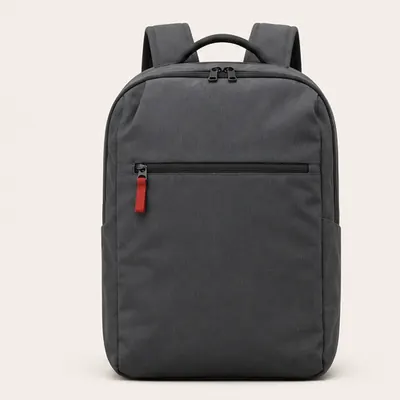
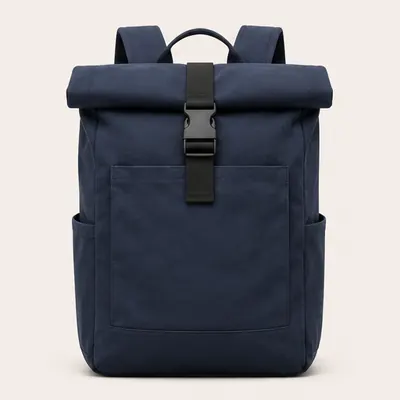
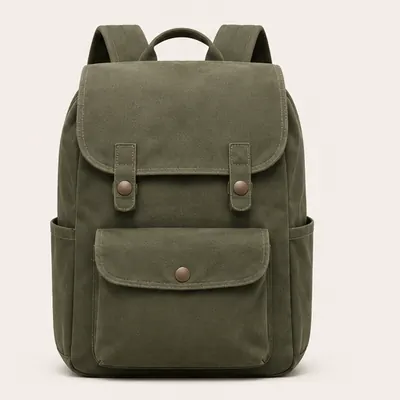

01 / Traditional search
Shoppers search with keywords, then review specifications, ratings, and prices one product at a time.
Search rankings, page presentation, and advertising can all affect whether a product is discovered.
02 / AI-assisted shopping
Shoppers can describe the intended use, size constraints, and personal preferences without first deciding which keywords to search for.
AI can bring relevant information together to help narrow and compare the options.
03 / The merchant's perspective
Comparisons made in AI conversations may not appear in your store analytics
Traditional analytics mainly capture what shoppers do after they reach a website or store.
They often cannot directly show which questions shoppers asked on an AI platform, which products they compared, or why they passed over a brand.
AI shopping visibility assessment examines this part of the purchase journey.
The product count, brands, dimensions, and AI response in this animation are illustrative. They do not represent actual search results, recommendations, or conversions.
AI is changing how shoppers discover and choose products
Industry research is documenting AI's effects on e-commerce, from referral traffic to purchasing behavior.
- 693%
From November through December 2025, referrals from generative AI tools to US retail websites increased by approximately 693% year over year.
During the same holiday season, AI-referred visitors converted at a rate 31% higher than visitors from other traffic sources.
Sources: Adobe's 2025 holiday shopping report and Adobe's analysis of AI-driven traffic. The reported traffic increase was 693.4%, rounded here.
- Nearly US$12 billion
Amazon reported that Rufus helped generate nearly US$12 billion in incremental annualized sales in 2025.
Source: Amazon's 2025 fourth-quarter results. “Annualized” describes a sales run rate, not a separately reported total of sales completed during the year.
- Approximately 3×
In the second quarter of 2026, AI-referred sessions to Shopify storefronts grew to approximately three times the prior-year level, and AI-referred orders also grew threefold.
Source: Shopify's analysis of AI and organic search. Sessions increased by 197% year over year; this is approximately 3× the previous level, not a 300% increase.
- 75%
Shopify reported that approximately 75% of AI-attributed purchases in the second quarter of 2026 came from outside its top 100 product categories.
This suggests that AI shopping channels may also create discovery opportunities for more specialized products.
- 15%–25%
Bain estimates that purchases initiated, influenced, or completed by AI agents could account for 15%–25% of US e-commerce sales by 2030.
This is a forecast using a specific definition of agentic commerce. It excludes shopping journeys that use AI only for search or product discovery.
Source: Bain & Company, December 17, 2025.
Takeaway
A new channel for product discovery is taking shape
AI shopping is developing quickly. Product discovery, recommendation, and transaction capabilities differ across platforms, and the rules continue to evolve.
For cross-border e-commerce businesses, a practical starting point is to check whether product information is complete and accurate, whether it answers shoppers' actual questions, and how products currently appear alongside competitors on relevant AI platforms.
What information matters from discovery to purchase?
02 / How AI interprets product informationAI shopping involves more than traditional search rankings.
Access to product information, its accuracy, its relevance to the shopper's needs, and the clarity of purchase terms can all affect how a product is presented.
01Access product information
Product discoverability
Can AI access the relevant product information?
Product pages, structured data, and other sources available to each platform shape the information it can retrieve.
We first check for access barriers and whether the brand and product can be correctly identified.
- Product pages
- Structured data
- Platform data sources
- Brand and product identity
02Verify information accuracy
Information accuracy
Does AI describe the product accurately?
Dimensions, materials, price, availability, shipping costs, delivery, and return policies can all affect a purchase decision.
We check whether AI-generated descriptions have reliable support and match the actual product information.
- Dimensions and materials
- Price and availability
- Shipping and delivery
- Return policy
03Assess fit with shopper needs
Relevance and competitive performance
How does the product compare when a shopper describes a specific need?
Different use cases create different selection criteria.
We examine product mentions in relevant tests, the alternatives presented, and the reasons AI gives for its comparisons.
- Use cases
- Product mentions
- Alternatives presented
- Comparison criteria
04Support the purchase decision
Purchase information
Can shoppers find the information they need to buy?
Product links, stock status, delivery coverage, purchase terms, and after-sales policies should be clear and kept up to date.
As some AI platforms add transaction features, consistent product data becomes increasingly important.
- Product links
- Stock status
- Delivery coverage
- After-sales policies
This is a framework for assessing product information. It does not imply that every AI platform follows the same selection process or that optimization guarantees a recommendation.
What does GEO mean for cross-border e-commerce?
It concerns how content is discovered, interpreted, and presented in generative AI search, answers, and recommendations.
For cross-border e-commerce businesses, this can include improving product information, checking structured data, maintaining consistent brand information, researching target-market needs, and monitoring changes over time.
GEO cannot directly control AI recommendations. It can help businesses improve product information and identify issues that may affect how products are represented.
The same product can raise different questions in different markets
Languages, shopping habits, delivery conditions, and service expectations vary. Shoppers in different countries may need different information about the same product.
- USUnited StatesEnglish · United States
Will this backpack fit under the seat on a budget airline?
What mattersCarry-on size
The shopper wants to know whether the bag meets a particular airline's personal-item limits.
- DEGermanyGerman · Germany
Wie lange dauert die Lieferung nach München?
What mattersDelivery time
The shopper wants an estimated delivery time to Munich.
- AUAustraliaEnglish · Australia
If the bag doesn't fit, can I return it to an Australian address?
What mattersLocal returns
The shopper wants to know whether a return can be handled within Australia.
YuSeen designs test questions around your target market, product category, and actual sales and service terms.
We use relevant local languages and shopping scenarios rather than applying a single set of keywords or criteria to every country.
From identifying issues to checking what has changed
03 / The value of assessment and optimizationA useful GEO assessment should do more than tell you whether a product was recommended.
It should identify specific issues, establish priorities, and use repeated testing to observe what changes after improvements are made.
Before assessment
- No clear record of when products appear in relevant AI answers.
- Limited evidence of whether AI describes product information accurately.
- No consistent basis for comparison with key competitors.
- Product updates rely mainly on experience, with unclear priorities.
After assessment and optimization
- Product mention records under defined test conditions.
- Confirmed information issues identified and corrected.
- Observable differences between your products and key competitors.
- An evidence-based improvement list and a process for retesting.
Turn uncertainty into work your team can verify, assign, and track.
In its analysis of Q2 2026 commerce data, Shopify reported that shoppers referred by AI using structured Shopify Catalog data converted at about twice the rate of those referred using scraped or third-party product feeds.
This comparison suggests potential value in structured product data. It does not mean that updating an individual merchant's product information will produce the same conversion uplift.
Example / YuSeen product information assessment
Missing dimensions can affect AI's assessment of product suitability
| The shopper's question | Can this backpack be carried as an under-seat personal item? |
|---|---|
| The AI response | AI states that the backpack fits under the seat in front of the passenger. |
| Information check | The product page lists a 20-liter capacity and laptop compartment details but does not provide complete external dimensions. The available information therefore does not support a firm conclusion about whether the bag meets airline personal-item requirements. |
| YuSeen's recommendation | Add external dimensions and the measurement method. For the relevant sales markets, explain that shoppers should check their airline's baggage size limits. |
The page lists capacity, not external size
 Height:Not statedDepth:Not stated
What the example shows
A 20-liter capacity does not establish compliance with an airline's baggage size limits.
Capacity describes internal volume. Airlines generally set limits on external dimensions.
If AI treats capacity as proof of external size, its buying advice may lack adequate support.
This check tells the merchant's team which information to request from the supplier and how to update the product page.
The product and AI response in this example are fictional. They are not actual assessment results.
Service limitations
YuSeen does not guarantee inclusion in AI recommendations, a fixed ranking, or sales conversions.
We provide reviewable evidence, clear analysis, and practical recommendations for improving product information.
About YuSeen
04 / About YuSeenYuSeen specializes in AI shopping visibility research and optimization for Chinese cross-border e-commerce businesses.
We examine product visibility, information accuracy, and competitive performance in international AI search and shopping experiences.
Our work addresses three questions: When can shoppers discover your products? How does AI interpret and describe them? What specific changes can your business make to improve product information?
We turn questions that can be difficult to observe directly into evidence-based findings and clear tasks for your team.
01Traceable findings
We record relevant AI responses, test conditions, and supporting product information so findings can be reviewed and compared over time.
02Testing tailored to your market
We define the scope according to sales market, language, product category, and shopper needs.
03Practical improvements
We identify missing or unclear information and, where agreed, improve product titles, descriptions, and supporting materials.
04Clear access boundaries
We communicate in Chinese and support contracts and invoicing in RMB. We do not require store administrator credentials. Your team reviews and publishes product updates.
Free initial assessment
See how your products currently appear on AI platforms in your target market
Choose one target market and send links to 3–5 priority products.
Within the agreed test scope, YuSeen will provide an initial assessment brief showing how products appear in relevant AI answers and which information issues deserve attention first.
Request a free assessmentThree questions the brief answers
01When are your products mentioned?
A record of the test questions and product mentions within the sample.
02How does AI describe them?
Checks of key specifications, price, delivery, and after-sales information to identify omissions and inaccurate descriptions.
03What should you address first?
Three priority recommendations based on the evidence and relevance to your business.
Choose further support based on the findings
FAQ
What does YuSeen do?
YuSeen provides AI shopping visibility assessments, product information checks, and optimization services for Chinese cross-border e-commerce businesses.
Using realistic shopping questions from the target market, we test how relevant AI platforms mention, compare, and describe products. We provide reports, improvement recommendations, and follow-up retesting.
What is GEO, and how does it relate to SEO and advertising?
GEO, or Generative Engine Optimization, focuses on how content appears in generative AI search, answers, and recommendations.
SEO aims to improve a website's performance in organic search results. Advertising provides exposure through paid placements.
GEO examines whether AI can access and accurately interpret product information, and how that information appears in generated responses.
These approaches can work together. GEO should not be treated as a replacement for SEO or advertising.
Why should cross-border e-commerce businesses pay attention to GEO?
Shoppers in international markets are already using AI to find products, compare options, and seek buying advice.
Businesses therefore need to understand how products are described in AI answers and whether shoppers receive accurate information, alongside tracking search rankings and store visits.
A GEO assessment can help identify information issues and competitive differences in these channels.
Do you work only with the US market?
No. Depending on the project, testing can cover North America, the UK and EU, Australia and New Zealand, Southeast Asia, the Middle East, and other markets.
Languages, platforms, and question coverage are agreed according to the target market and available testing conditions.
Can you guarantee that ChatGPT will recommend my products?
No. AI responses can vary by platform, model, timing, wording, and other factors. A single result is not a promise of lasting visibility.
YuSeen runs repeated tests under agreed conditions, reports observed performance within the sample, and tracks changes through retesting. We do not guarantee rankings or a particular probability of recommendation.
What is included in the free initial assessment?
It covers one target market and 3–5 priority products.
You receive an initial brief with product mentions in relevant AI answers, checks of important information, and three priority recommendations.
The specific test scope is confirmed before work begins.
What information do I need to provide?
Please send your target market, company or brand name, store URL, and links to 3–5 priority products.
Key competitors, common customer questions, delivery terms, and return policies are also helpful if available.
We do not require store administrator credentials.
Can I use the service if I sell only on Amazon and do not have my own website?
Yes. Within the agreed scope, we can assess how products appear in Amazon's AI shopping assistant and other applicable AI platforms, and check the relevant product information.
How are the scope and deliverables agreed?
Before a paid engagement, we confirm the target market, product coverage, platforms, languages, deliverables, fees, schedule, and acceptance criteria in writing.
Contracts and invoicing can be handled in RMB. The formal engagement documents specify the relevant contractual details.
Understand how your products appear in AI shopping conversations
Send your brand or store name, key sales countries or regions, and links to 3–5 priority products. If you already have common pre-purchase questions from customers, include them too. They will help us design tests around actual shopper needs.